
In this article
- What Is Stem Cell Therapy?
- How Stem Cell Therapy Fits Into Regenerative Medicine
- How Stem Cells Function in the Body
- Ethical and Responsible Stem Cell Sources
- Personalized Evaluation and Physician Guidance
- What Stem Cell Therapy Is Not
- Safety, Standards, and Patient Education
- Why People Explore Stem Cell Therapy
- A Science-Based Regenerative Medicine Approach in Puyallup
- Frequently asked questions
- When to see a doctor
- About the author
What Is Stem Cell Therapy and How It Can Transform Your Health

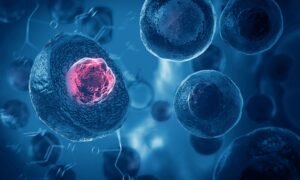
What stem cell therapy is, how regenerative medicine works, what the research shows and what to ask before treatment. Nordquist, Puyallup, WA.
Understanding what is stem cell therapy starts with understanding how the body is designed to function. The human body relies on constant cellular communication to adapt, maintain balance, and respond to physical stress over time. As people age or experience changes in their physical condition, these natural processes may become less efficient. Stem cell therapy is part of a broader regenerative medicine approach that focuses on supporting the body’s existing biological systems rather than overriding them.
When individuals search for what is stem cell therapy, they are often seeking a deeper understanding of how regenerative medicine differs from conventional care. Rather than focusing solely on symptom management, regenerative medicine emphasizes cellular signaling, tissue environment support, and physician-guided strategies designed to work with the body.
What is stem cell therapy, how it is used within regenerative medicine, and why it has become an area of interest for people exploring advanced, science-based wellness approaches, based strictly on the principles described by Nordquist Regenerative Medicine.
01What Is Stem Cell Therapy?
At its core, what is stem cell therapy refers to the use of specialized cells that can respond to their biological environment. Stem cells are unique because they are not assigned a single function. Instead, they adapt based on the signals they receive from surrounding tissues.
In regenerative medicine settings, stem cell therapy is commonly discussed in terms of how it supports the body’s natural processes, including:
- Cellular communication
- Tissue environment balance
- Biological signaling pathways
Rather than forcing change, stem cell therapy is designed to complement the body’s innate ability to respond and adapt. This distinction is essential for understanding what is stem cell therapy in a responsible medical context.
02How Stem Cell Therapy Fits Into Regenerative Medicine
To fully understand what is stem cell therapy, it is important to understand regenerative medicine as a whole. Regenerative medicine is a field focused on supporting the body’s natural response mechanisms at the cellular level. These approaches aim to enhance how cells interact with one another rather than replacing tissues or masking symptoms.
Stem cell therapy is one of several tools used within regenerative medicine. At Nordquist Regenerative Medicine, regenerative strategies are applied within a structured medical framework that emphasizes education, safety, and individualized care.
Regenerative medicine is not about shortcuts or exaggerated claims. Instead, it is about creating conditions that allow the body’s existing systems to function more efficiently over time.
03How Stem Cells Function in the Body
A key part of understanding what is stem cell therapy lies in understanding how stem cells function naturally. Stem cells play a role in maintaining tissues by responding to internal signals and releasing bioactive factors that influence surrounding cells.
When introduced in a regenerative medicine setting, stem cells may:
- Release signaling molecules
- Support communication between cells
- Influence how tissues respond to their environment
These interactions are why stem cells are studied within regenerative medicine. The emphasis remains on biological communication rather than mechanical or pharmaceutical intervention.
04Ethical and Responsible Stem Cell Sources
Another important aspect of what is stem cell therapy involves where stem cells come from. Ethical sourcing and medical oversight are central principles in modern regenerative medicine.
Clinical regenerative medicine programs rely on non-embryonic, ethically sourced tissues that are processed according to established medical standards. These sources are selected for their biological compatibility and their role in supporting regenerative signaling.
Importantly, these approaches do not involve embryonic tissue, genetic modification, or cloning. Nordquist Regenerative Medicine emphasizes transparency, ethical sourcing, and patient education throughout the regenerative care process.
05Personalized Evaluation and Physician Guidance
Understanding what is stem cell therapy also means recognizing that it is not universally applied. Reputable regenerative medicine clinics emphasize individualized evaluations to determine whether regenerative strategies align with a person’s needs and goals.
A personalized regenerative medicine evaluation typically includes:
- A detailed review of medical history
- Discussion of wellness goals and expectations
- Physician-guided recommendations
This process ensures that regenerative approaches are applied thoughtfully and responsibly. Education plays a key role, allowing patients to make informed decisions without unrealistic expectations.
06What Stem Cell Therapy Is Not
Clarifying what is stem cell therapy also requires understanding its limitations. Stem cell therapy is not positioned as a cure, a guaranteed solution, or a replacement for emergency medical care. It does not promise disease reversal or permanent outcomes.
Instead, regenerative medicine approaches are designed to support natural biological processes over time. Outcomes vary depending on individual biology, overall health, and how the body responds to regenerative signaling.
Responsible providers focus on transparency, patient education, and evidence-informed care rather than exaggerated claims.
07Safety, Standards, and Patient Education
Safety is a common concern for anyone researching what is stem cell therapy. Ethical regenerative medicine clinics operate within established medical guidelines and prioritize patient well-being at every stage of care.
Key principles emphasized include qualified medical oversight, informed consent, and ongoing patient education. Nordquist Regenerative Medicine integrates these standards into its regenerative care model, ensuring that treatments are delivered responsibly and ethically.
08Why People Explore Stem Cell Therapy
Many individuals explore what is stem cell therapy as part of a broader interest in long-term wellness and cellular support. As the body changes over time, some people seek regenerative approaches that focus on biological processes rather than invasive procedures.
Stem cell therapy is often explored alongside other regenerative medicine strategies as part of a comprehensive, physician-guided wellness plan.
09A Science-Based Regenerative Medicine Approach in Puyallup
For individuals seeking clarity on what is stem cell therapy, working with a provider that prioritizes education, ethics, and personalized care is essential. Nordquist Regenerative Medicine offers regenerative medicine services guided by medical expertise and patient-centered principles for those in and around Puyallup, who are exploring advanced, non-surgical wellness approaches rooted in regenerative science.
10Frequently Asked Questions
What is stem cell therapy?
Stem cell therapy is a regenerative medicine approach that uses specialized cells to support cellular communication and natural biological processes under physician supervision.
How does stem cell therapy work?
It works by supporting biological signaling and communication between cells, helping tissues respond more efficiently to their environment.
Are stem cells ethically sourced?
Yes. Regenerative medicine programs use non-embryonic, ethically sourced tissues obtained through regulated medical processes.
Is stem cell therapy part of regenerative medicine?
Yes. Stem cell therapy is one of several regenerative medicine tools used to support cellular environments.
Who may consider stem cell therapy?
Individuals interested in physician-guided, wellness-focused regenerative approaches may explore stem cell therapy after proper evaluation.
Is PRP therapy safe?
PRP therapy is very safe as it uses the patient’s own blood, and umbilical cord tissue biologics are carefully processed to ensure safety. Minor swelling or soreness may occur.
- Seek urgent care for a joint that is hot, red and swollen, or comes with fever, or for a sudden injury you cannot put weight on.
- Book an evaluation if joint pain lasts more than a few weeks, keeps you from normal activity, or keeps coming back.
- Ask about imaging and a medical history review before any injection, so your provider can tell whether regenerative care is appropriate for you.
Dr. Nordquist founded the practice in Puyallup in 2007 and has focused his career on personal injury care for patients hurt in car accidents and on the job. He holds post-graduate certifications in crash dynamics, impairment rating, trauma documentation and imaging protocols, and is a member of the American Academy of Medical-Legal Professionals.
- Practice: Puyallup, WA · since 2007
- Training: Parker College of Chiropractic
- Credentials: DC, DAAMLP
- Profile: Meet the providers

Medical disclaimer: This article is for general education and is not medical advice. It does not replace an exam or a conversation with your own healthcare provider. Treatment options and results vary from person to person.
Wondering if regenerative care fits your joint pain?
Visit Nordquist Integrated Medicine at 9909 168th St E #102, Puyallup, WA 98375. Monday–Thursday 9:00 am–6:00 pm, Friday 9:00 am–12:00 pm.
